

Health Benefits of Ginger
From soothing digestive discomfort to possessing anti-inflammatory and antioxidant properties, ginger stands out as a versatile and powerful addition to a balanced and health-conscious lifestyle.
- Digestive Comfort and Nausea Relief
- Anti-Inflammatory Power
- Pain Relief and Joint Health
- Immune System Support
- Cardiovascular Health Enhancement
- Anti-Microbial Properties

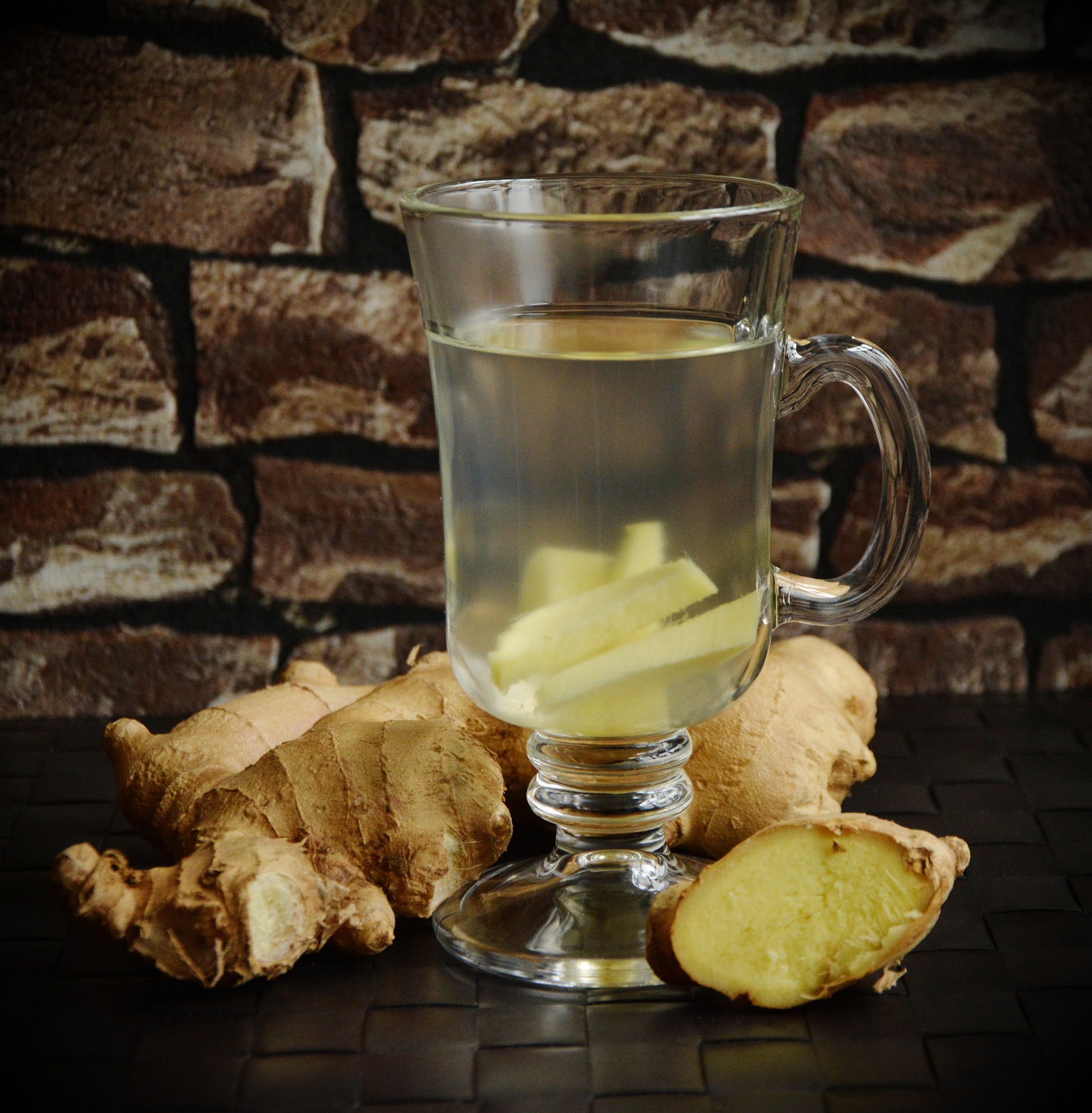
Digestive Comfort and Nausea Relief
Ginger has long been celebrated for its digestive benefits. It can help alleviate symptoms of nausea, making it particularly useful for those experiencing motion sickness, morning sickness during pregnancy, or nausea induced by certain medical treatments. Its natural compounds, such as gingerol, contribute to the soothing effect on the gastrointestinal system, promoting overall digestive comfort.
Anti-Inflammatory Power
Ginger contains bioactive compounds, including gingerol, which have potent anti-inflammatory properties. Chronic inflammation is associated with various health conditions, such as arthritis and heart disease. Consuming ginger regularly may help reduce inflammation in the body, potentially providing relief for those managing inflammatory conditions.
Pain Relief and Joint Health
The anti-inflammatory properties of ginger extend to its potential role in pain management. Studies suggest that ginger may be effective in reducing muscle pain and soreness, making it a natural alternative for those seeking relief from exercise-induced discomfort. Additionally, ginger’s anti-inflammatory effects may benefit individuals with osteoarthritis, supporting joint health and mobility.

Cardiovascular Health Enhancement
Research indicates that ginger may positively impact cardiovascular health. It has been associated with lower levels of cholesterol and triglycerides, contributing to a healthier lipid profile. Additionally, ginger may help regulate blood pressure, promoting optimal cardiovascular function and reducing the risk of heart disease.
Immune System Support
Ginger is rich in antioxidants that play a crucial role in supporting the immune system. Antioxidants help neutralize free radicals, reducing oxidative stress and promoting overall immune function. Regular consumption of ginger, whether in teas, soups, or as a spice, may contribute to a strengthened immune response.

Blood Sugar Regulation
Some studies suggest that ginger may help regulate blood sugar levels. This can be particularly beneficial for individuals with diabetes or those at risk of developing insulin resistance. Ginger’s potential to improve insulin sensitivity may contribute to better blood sugar control.
Anti-Microbial Properties
Ginger has demonstrated antimicrobial properties, making it a potential ally in the fight against certain bacterial and fungal infections. While it is not a substitute for medical treatment, incorporating ginger into the diet may provide additional support for the body’s natural defense mechanisms.
From its delightful culinary uses to its impressive array of health benefits, ginger stands as a versatile and accessible addition to a health-conscious lifestyle. Whether enjoyed in teas, added to dishes, or taken as a supplement, ginger’s natural compounds offer a myriad of advantages for digestive comfort, anti-inflammatory support, and overall well-being. As with any dietary addition, it’s advisable to consult with a healthcare professional to ensure that ginger is suitable for individual health needs, especially for those with existing medical conditions or taking medications. Embrace the zesty wonders of ginger and let this ancient root spice up your journey towards a healthier life.